Standing in front of your home’s electrical panel, you might notice it’s not keeping up with your family’s modern electrical needs. Maybe the circuit breakers trip frequently, or perhaps you’re planning a major renovation that will add new appliances and outlets. The question becomes: should you upgrade your existing panel or replace it entirely?

This decision affects your family’s safety, your home’s functionality, and your wallet. Making the wrong choice could mean spending more money than necessary, or worse, ending up with an electrical system that still doesn’t meet your needs. Understanding the difference between upgrading and replacing your electrical panel helps you make the best decision for your Orlando home.

The electrical demands of modern homes are dramatically different from what they were even twenty years ago. Between central air conditioning systems working overtime in Florida’s heat, multiple large-screen televisions, computers, smart home devices, and electric vehicle chargers, today’s homes need robust electrical systems that can handle substantial power loads safely.

Let’s explore when upgrading makes sense, when complete replacement is necessary, and how to determine which approach is right for your specific situation.

Understanding Your Current Electrical Panel

Before deciding between upgrading and replacing your electrical panel, you need to understand what you’re working with. Most Orlando homes built before 1990 have electrical panels that were designed for much lower electrical demands than modern families require.

Your electrical panel’s main job is to distribute electricity throughout your home while protecting your family and property from electrical hazards. It does this through circuit breakers that automatically shut off power when they detect dangerous conditions like overloads or short circuits.

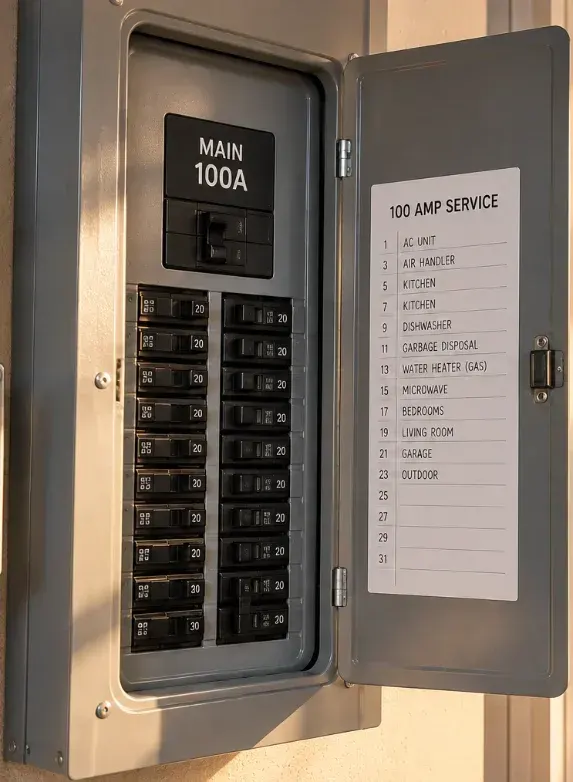
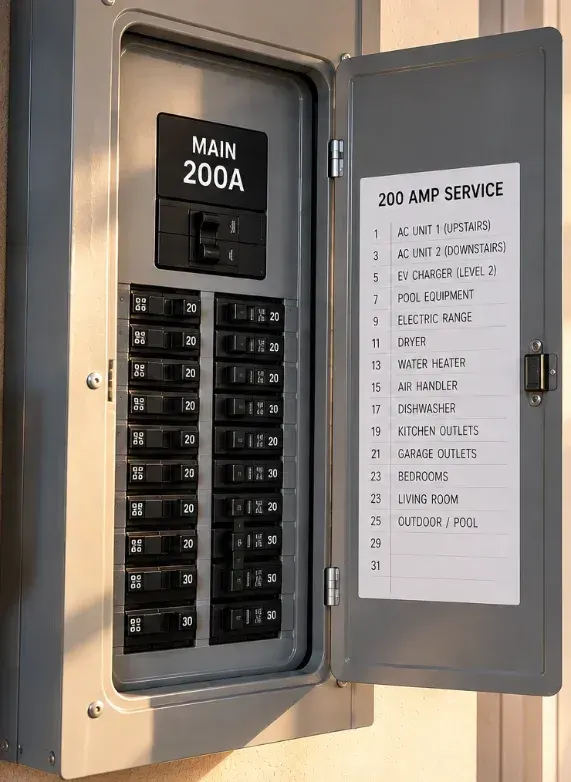
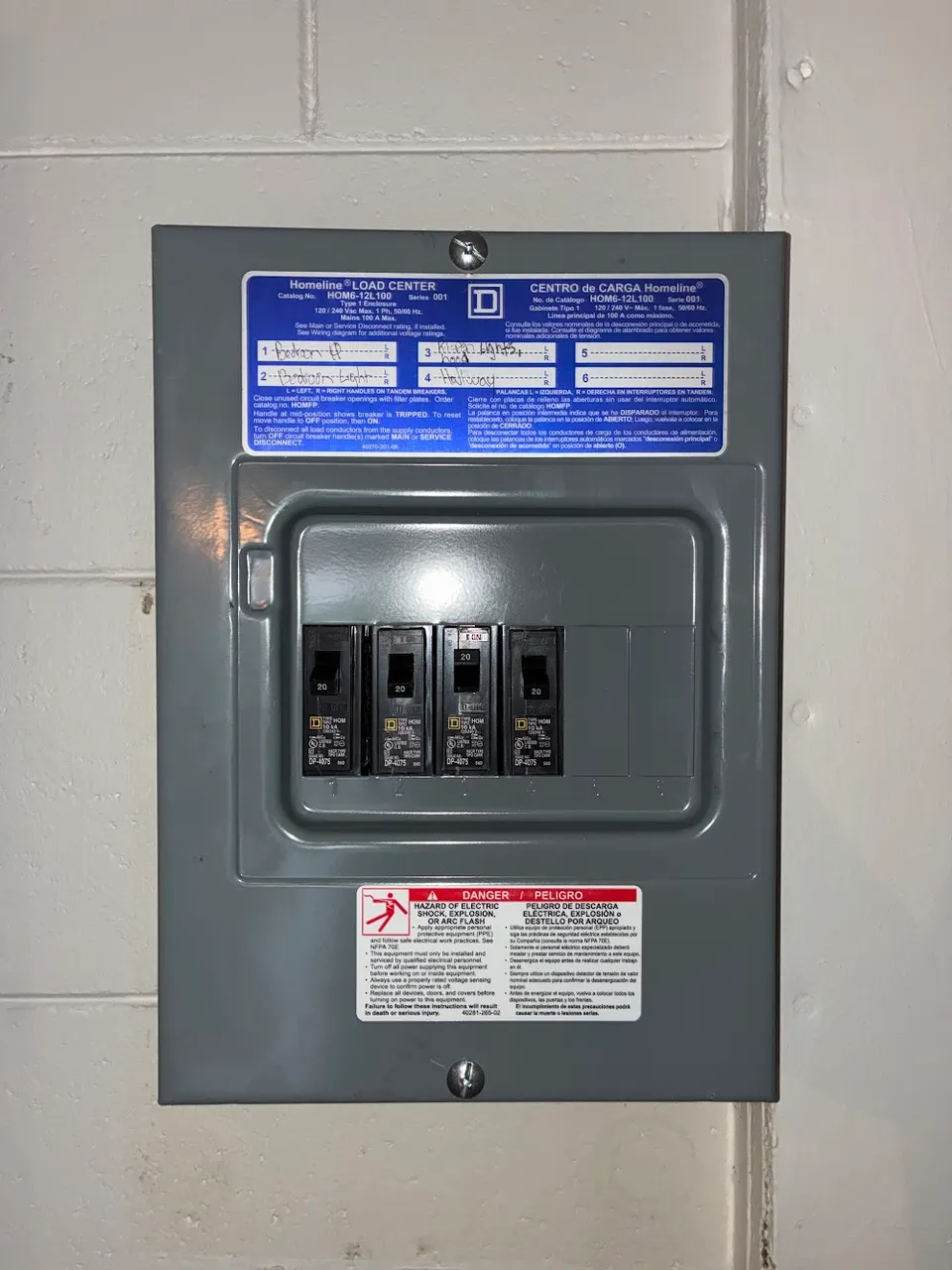
The age of your panel tells part of the story about its capabilities and condition. Panels installed in the 1960s and 1970s typically provide 100-amp service, which was adequate for homes with fewer electrical devices. However, modern homes often need 200-amp service or more to handle today’s electrical loads comfortably.

Brand and model matter too. Some older panel brands have known safety issues or are no longer supported with replacement parts. If your panel is a brand that’s been recalled or identified as problematic, replacement is usually the safest choice regardless of its current condition.

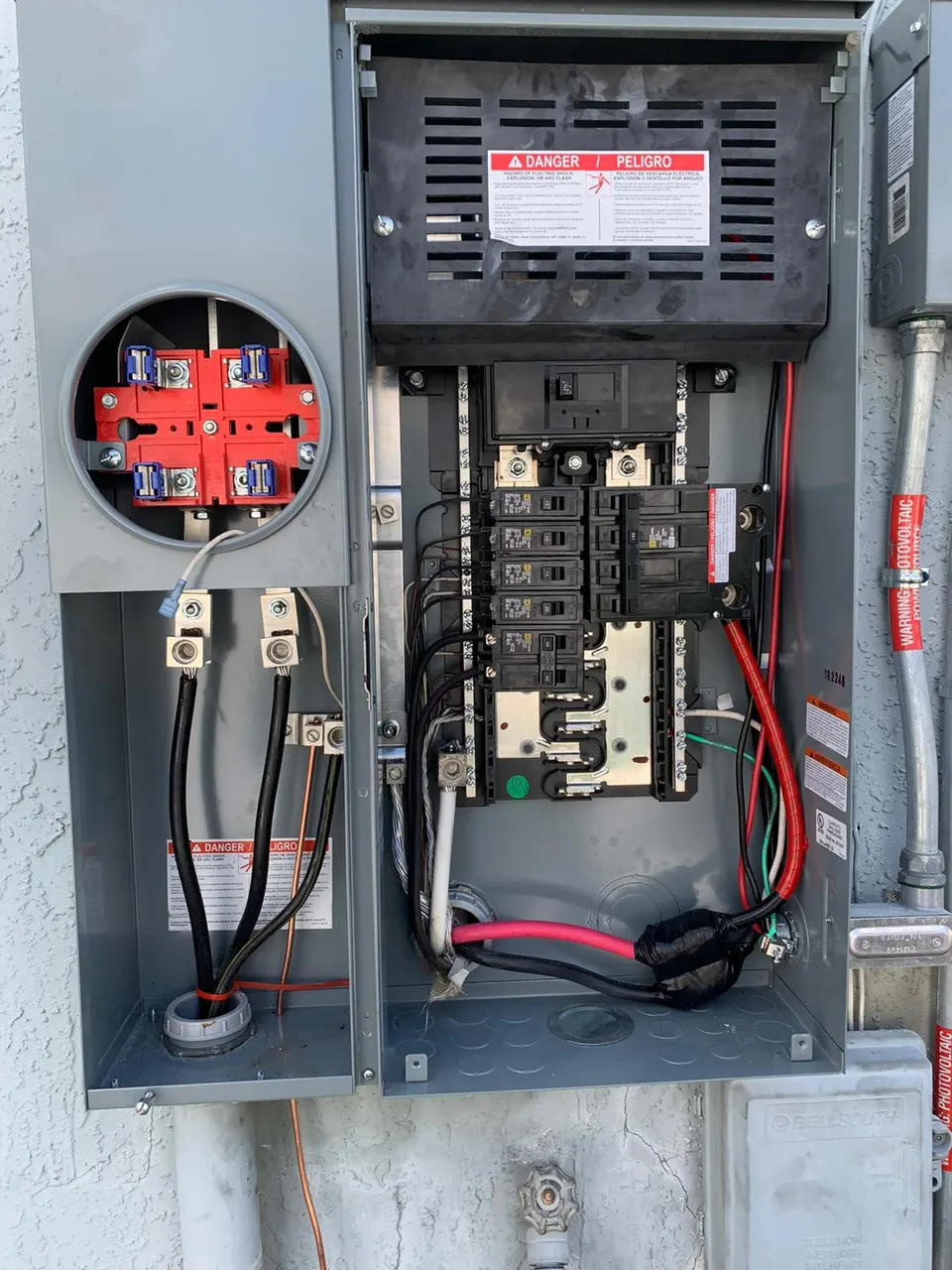
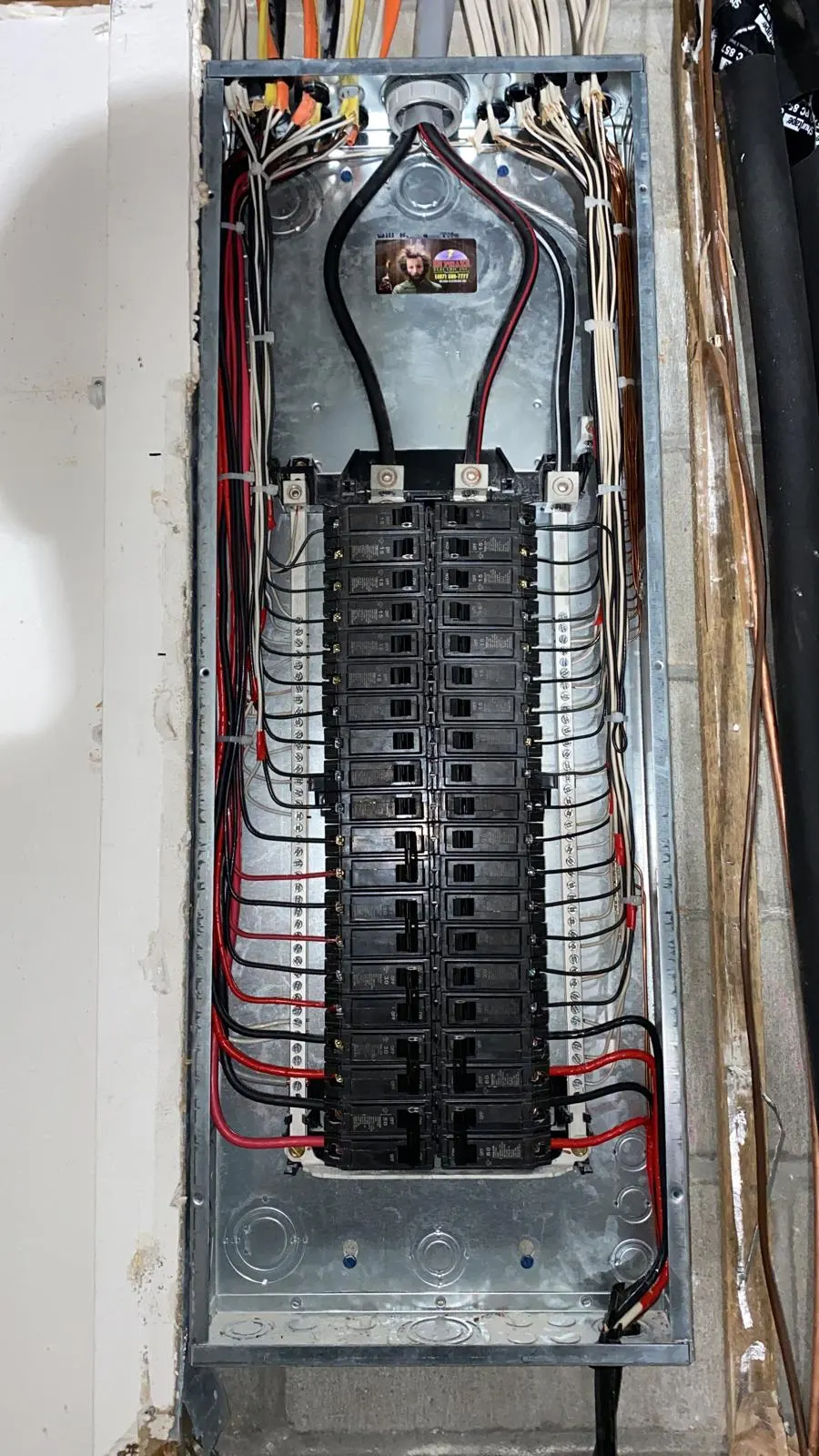
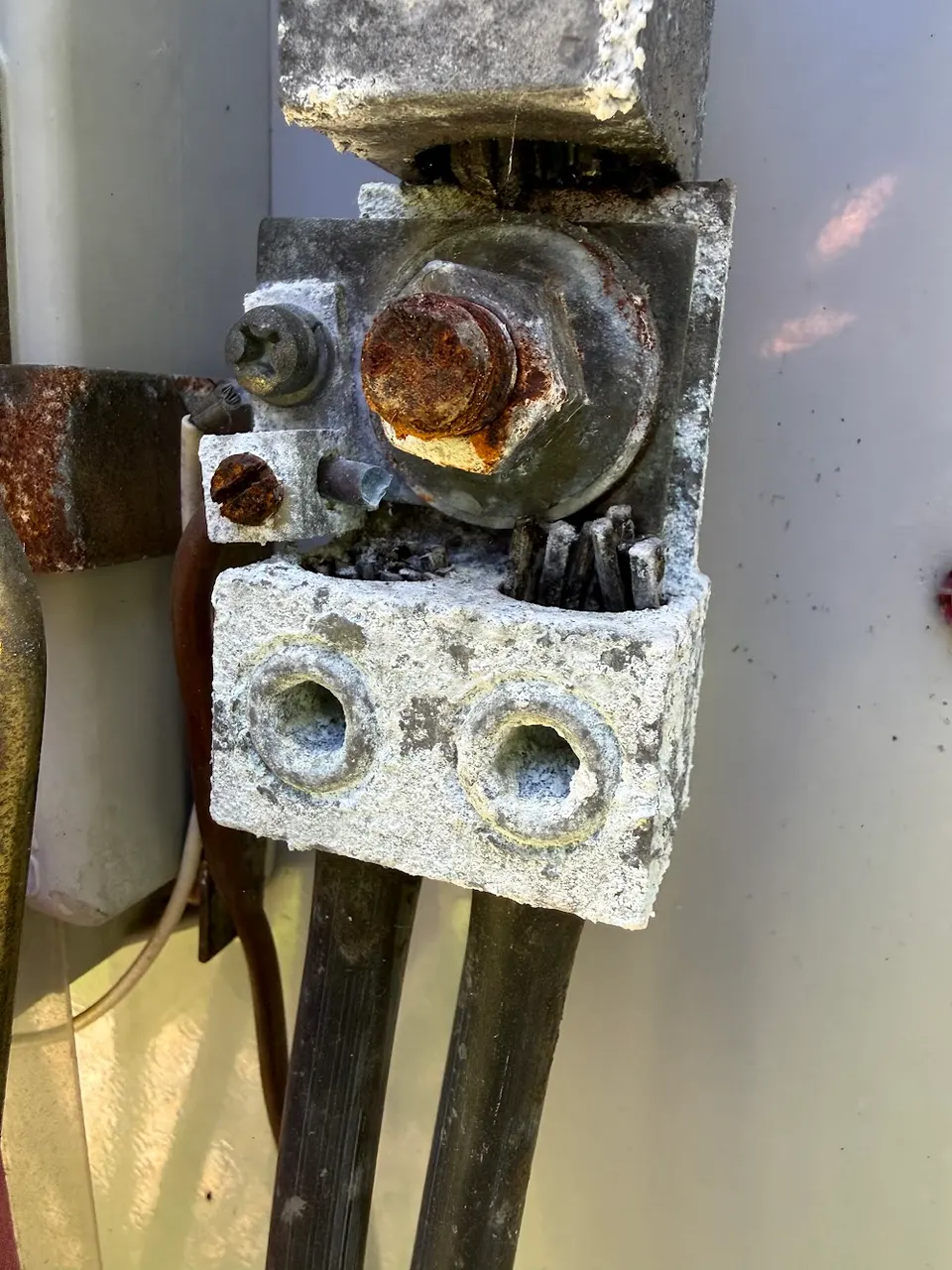
The physical condition of your panel provides important clues about whether upgrading or replacement makes more sense. Signs of corrosion, burn marks, loose connections, or damaged components often indicate that replacement is the better option than trying to upgrade an aging system.

What Does Panel Upgrading Involve?

Panel upgrading typically means increasing your electrical service capacity while keeping your existing panel location and some existing components. This might involve upgrading from 100-amp to 200-amp service, adding additional circuits, or replacing old circuit breakers with newer, more capable ones.

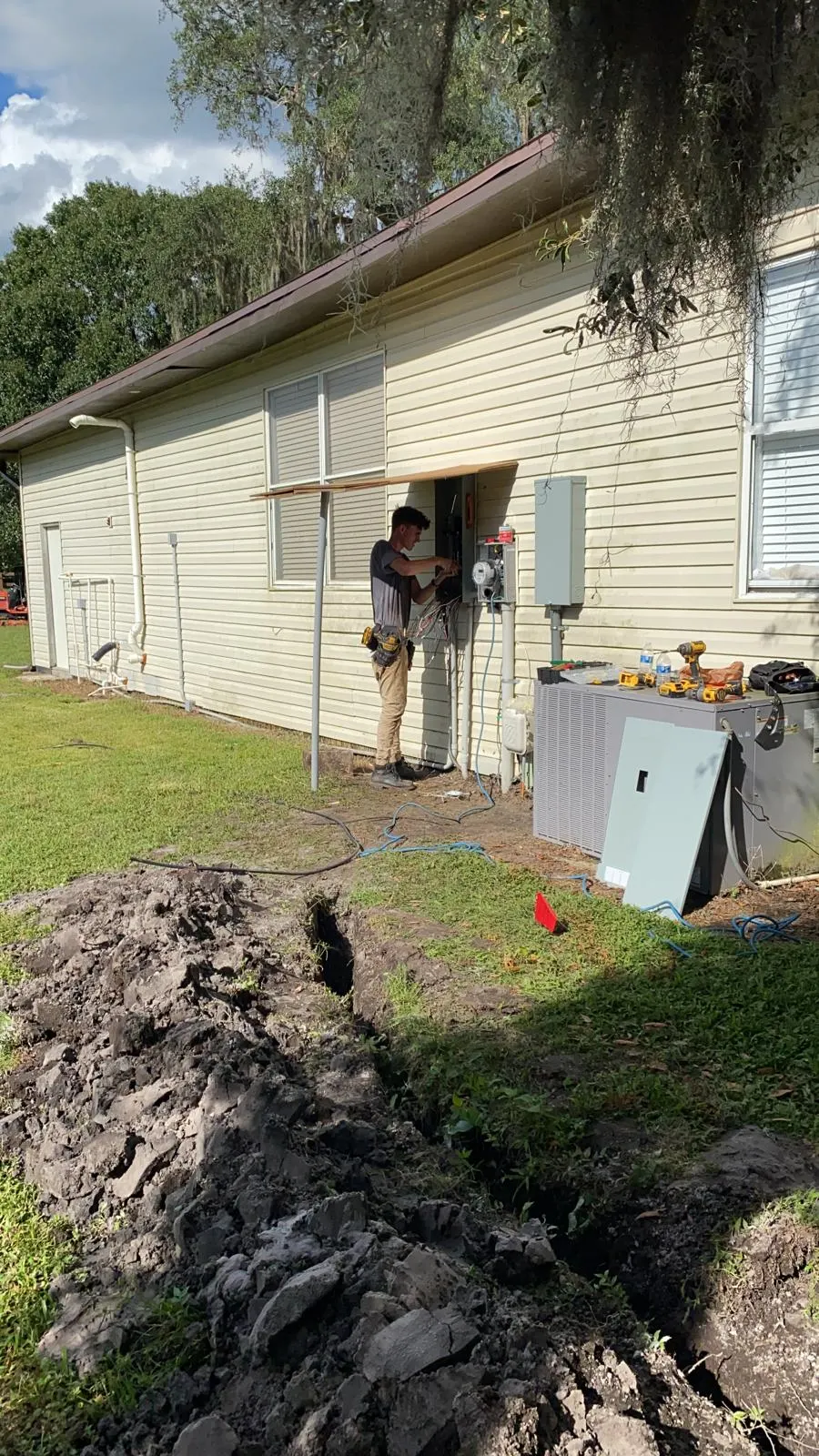
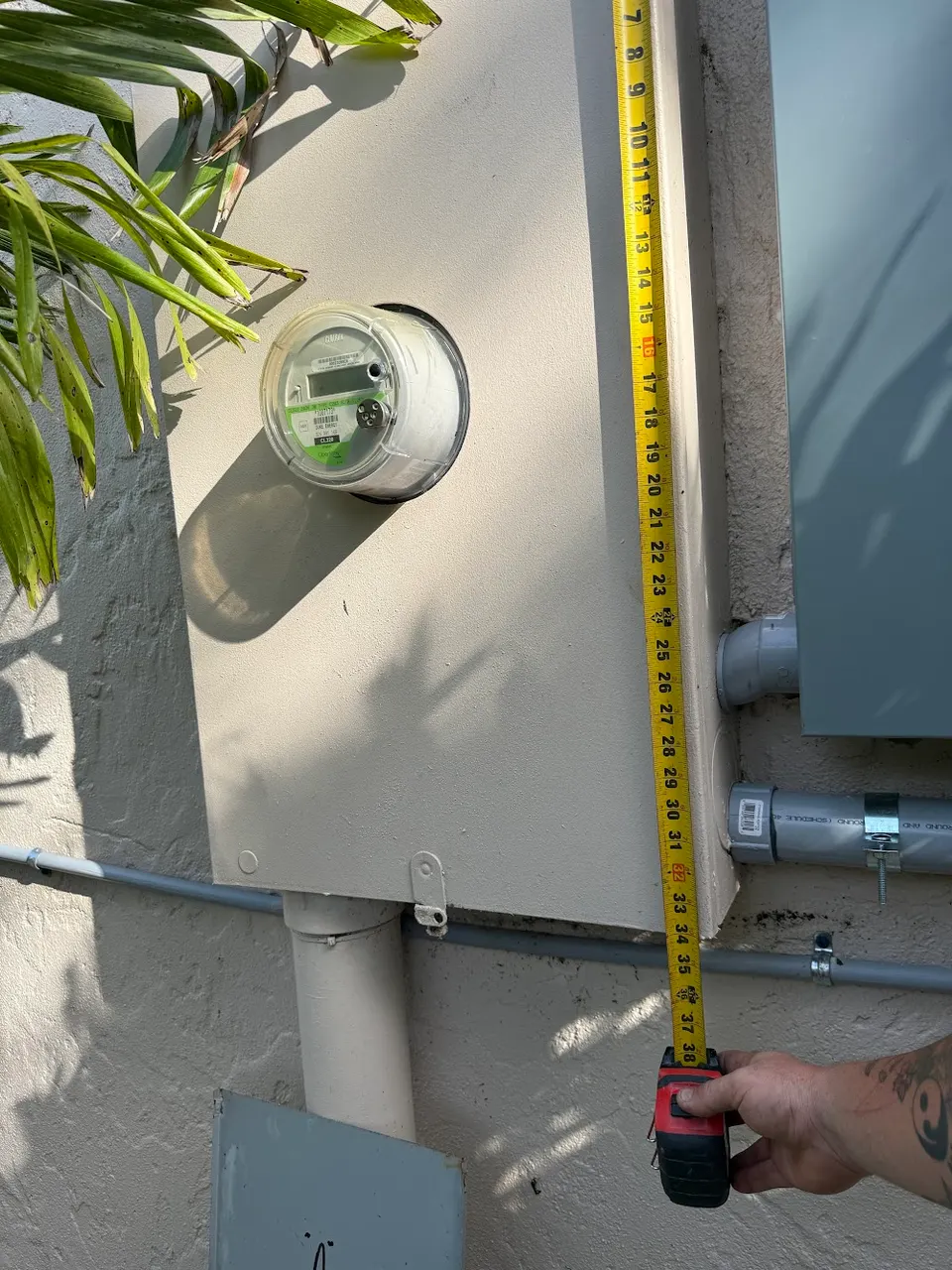
Upgrading usually costs less than complete replacement because it uses your existing electrical panel enclosure and main electrical connections. The process often involves working with your utility company to upgrade the electrical meter and main electrical feed to your home while utilizing your current panel box.

Common upgrade scenarios include adding new circuit breakers for additional electrical loads, installing GFCI or AFCI breakers to improve safety, or upgrading the main breaker to handle higher electrical demands. These changes can often be accomplished without major construction work.

However, upgrading has limitations. You can only upgrade a panel so far before the existing infrastructure becomes the limiting factor. If your current panel box is too small to accommodate additional breakers or if the existing wiring and connections are in poor condition, upgrading might not be practical.

The electrical code requirements also affect upgrade possibilities. Current electrical codes are more stringent than older codes, and some upgrades might trigger requirements to bring other parts of your electrical system up to current standards, potentially making simple upgrades more complex and expensive.

When Complete Panel Replacement is Necessary

Complete panel replacement involves removing your existing electrical panel and installing an entirely new system. This approach is necessary in several situations and often provides the best long-term value for Orlando homeowners.

Safety concerns make replacement the only reasonable choice in many cases. If your panel contains recalled or problematic breakers, shows signs of significant wear or damage, or uses outdated technology that poses fire hazards, replacement protects your family and property.

Insufficient electrical capacity is another common reason for complete panel replacement. If your current panel simply cannot provide enough electrical capacity for your needs, even with upgrades, replacement with a higher-capacity system is the solution.

Physical limitations of your existing panel often necessitate replacement. Small panel boxes that cannot accommodate additional breakers, corroded enclosures that compromise safety, or panels installed in locations that no longer meet current electrical codes typically need complete replacement.

Major home renovations frequently trigger panel replacement requirements. When you’re adding significant electrical loads like pool equipment, workshop tools, electric vehicle chargers, or whole-house generators, your existing panel might not have the capacity or appropriate connections for these new demands.

Code compliance issues can make replacement necessary even if your current panel still functions. Electrical codes evolve to improve safety, and older panels might not meet current requirements for new construction or major renovations.

Cost Considerations: Upgrade vs Replacement

Understanding the financial implications of upgrading versus replacing your electrical panel helps you make an informed decision that balances upfront costs with long-term value and safety.

Panel upgrades typically cost significantly less than complete replacements in the short term. Upgrading might involve costs for new breakers, electrical service upgrades, and installation labor, but you’re building on your existing infrastructure rather than starting from scratch.

Complete panel replacement involves higher upfront costs because you’re paying for a new panel enclosure, all new breakers, new electrical connections, and potentially additional electrical work to bring everything up to current code standards.

However, the cost comparison isn’t just about immediate expenses. Upgrades might seem cheaper initially, but they could limit your options in the future. If you upgrade now and later discover you need even more electrical capacity, you might end up paying for replacement anyway.

Long-term value considerations favor replacement in many situations. A new electrical panel can last 25-40 years with proper maintenance, while upgrades to older panels might only provide a temporary solution before replacement becomes necessary.

Insurance implications can affect your costs, too. Some insurance companies offer discounts for homes with modern electrical panels due to reduced fire risks. Conversely, some insurers might charge higher premiums or refuse coverage for homes with very old or problematic electrical panels.

Permit and inspection costs apply to both upgrades and replacements, though replacement projects might involve more extensive permitting requirements. These costs are necessary for ensuring work meets current safety standards and local electrical codes.

Factors to Consider for Orlando Homes

Orlando’s climate and housing characteristics create specific considerations that affect the upgrade versus replacement decision for local homeowners.

High cooling loads during summer months mean Orlando homes often have substantial electrical demands for air conditioning systems. If your current panel struggles to handle your cooling system along with other electrical loads, this suggests replacement might be necessary to provide adequate capacity.

The age of the housing stock in many Orlando neighborhoods means electrical panels that might need attention. Homes built in the 1970s and 1980s often have panels that are reaching the end of their useful life and might benefit more from replacement than upgrading.

Hurricane preparedness considerations are important for Central Florida homeowners. Modern electrical panels with proper surge protection and generator connections can provide better protection and recovery options during severe weather events.

Pool and spa electrical requirements are common in Orlando homes and often require dedicated high-amperage circuits. If you’re adding pool equipment or outdoor entertainment areas, your electrical panel needs adequate capacity and appropriate circuit protection for these loads.

Electric vehicle adoption is growing rapidly, and EV charging systems require substantial electrical capacity. If you’re considering an electric vehicle, ensure your electrical panel can handle the additional load, either through upgrades or replacement.

Smart home integration is becoming more common, and modern electrical panels often provide better compatibility with home automation systems, energy monitoring, and advanced electrical management features.

Safety and Code Compliance Issues

Safety should be the primary consideration when deciding between upgrading and replacing your electrical panel. Electrical panels that pose safety risks need immediate attention, regardless of cost considerations.

Fire hazards from aging electrical panels are well-documented. Loose connections, corroded components, and outdated safety features can create conditions that lead to electrical fires. If your panel shows any signs of overheating, burning, or physical damage, replacement is usually the safest option.

Ground fault and arc fault protection requirements in current electrical codes provide important safety benefits. Older panels might not accommodate these modern safety devices, making replacement necessary to achieve full code compliance and optimal safety.

Grounding and bonding requirements have evolved over time, and older electrical installations might not meet current standards. Panel replacement often provides an opportunity to upgrade these critical safety systems to current requirements.

Electrical inspection requirements vary depending on the scope of work being performed. Major upgrades might trigger requirements to bring other parts of your electrical system up to current codes, potentially making the cost difference between upgrading and replacement smaller than initially expected.

Professional evaluation by qualified electricians is essential for identifying safety issues that might not be obvious to homeowners. Electrical problems can be hidden inside panel enclosures or in wiring systems, making professional assessment crucial for making informed decisions.

Making the Right Decision for Your Home

Choosing between upgrading and replacing your electrical panel requires careful consideration of your specific situation, needs, and long-term plans for your Orlando home.

Start by evaluating your current electrical needs and comparing them to your panel’s capacity. If you’re frequently tripping breakers, experiencing dimming lights when appliances start, or running out of available circuits for new electrical loads, this suggests your current system is inadequate.

Consider your future electrical needs, too. Are you planning home additions, major appliance upgrades, electric vehicle purchases, or other changes that will increase your electrical demands? Planning for future needs can help you avoid having to revisit this decision in a few years.

The condition of your existing electrical system affects the upgrade versus replacement decision significantly. If your current panel and associated wiring are in good condition, upgrading might be sufficient. However, if multiple components need attention, replacement often provides better value.

Budget considerations include both upfront costs and long-term value. While replacement typically costs more initially, it might provide better long-term value if your current panel is near the end of its useful life or cannot adequately serve your needs.

Timeline requirements can influence your decision, too. Upgrades can often be completed more quickly than full replacements, which might be important if you’re working within construction schedules or need electrical work completed by specific deadlines.

Professional Assessment and Installation

Both electrical panel upgrades and replacements require professional expertise to ensure safety, code compliance, and proper functionality. Understanding what professional services involve helps you prepare for the process and choose qualified contractors.

Electrical assessment should be your first step, regardless of whether you’re considering upgrading or replacement. Professional electricians can evaluate your current system, identify potential safety issues, and recommend the most appropriate solution for your needs and budget.

Load calculations help determine whether your electrical panel has adequate capacity for your current and planned electrical needs. These calculations consider all your electrical loads and ensure your panel can handle them safely without overloading.

Permit acquisition and inspection coordination are essential parts of professional electrical panel work. Licensed electricians handle these requirements and ensure all work meets current electrical codes and local requirements.

Utility company coordination is often necessary for both upgrades and replacements. Changes to your electrical service might require utility company approval and coordination, especially if you’re increasing your electrical service capacity.

The installation timeline varies depending on the scope of work, but professional electricians can provide realistic schedules and coordinate with other contractors if your electrical work is part of a larger project.

Post-installation testing and documentation ensure your new or upgraded electrical system functions properly and meets all safety requirements. Professional electricians provide documentation needed for insurance purposes and future electrical work.

Long-term Maintenance and Value

Whether you choose to upgrade or replace your electrical panel, understanding long-term maintenance requirements and value implications helps you maximize your investment.

Maintenance requirements for modern electrical panels are generally minimal but important for ensuring continued safe operation. Regular visual inspections, keeping panels clean and accessible, and promptly addressing any issues help extend panel life.

Warranty considerations differ between upgrades and replacements. New electrical panels typically come with comprehensive warranties, while upgrades might have limited warranty coverage depending on which components are replaced.

Energy efficiency benefits from modern electrical panels can provide ongoing value through reduced electrical losses and better integration with energy-efficient appliances and systems.

Property value impacts generally favor complete electrical panel replacements over upgrades, especially for older homes. Modern electrical systems are attractive to potential buyers and can support higher property values.

Future expansion capabilities are typically better with new electrical panel installations. Modern panels are designed with room for additional circuits and future electrical needs, providing flexibility for home improvements and changing electrical demands.

Conclusion

The decision between upgrading and replacing your electrical panel depends on multiple factors specific to your Orlando home and situation. While upgrades can provide cost-effective solutions for some scenarios, complete replacement often offers better long-term value, safety, and functionality for aging electrical systems.

Safety should always be your primary consideration when making this decision. If your current electrical panel poses any safety risks or cannot adequately serve your electrical needs, replacement is usually the better choice despite higher upfront costs.

Working with qualified electrical professionals ensures you get accurate assessments of your options and proper installation regardless of which approach you choose. Professional expertise is essential for ensuring your electrical system meets current codes, operates safely, and provides reliable service for years to come.

Take time to evaluate your current and future electrical needs, consider the condition of your existing system, and weigh the long-term value of different approaches. The right decision for your home balances immediate costs with long-term safety, functionality, and value.

Array
EV charging stations

EV charger installation, defined as the process of setting up a home charging station for electric vehicles, has become a crucial step for many car owners transitioning to electric power. Professional installation requires a licensed electrician, electrical permits, and verification of the electrical panel’s capacity before commencing any work. This process represents a major shift […]

Why Do You Need a Professional Residential Electrician to Install a Generator?

A burning wire smell signals serious electrical dangers that demand quick action. This distinct odor occurs when electrical wires overheat, creating toxic fumes and fire risks that threaten homes and lives. The Consumer Product Safety Commission reports that electrical fires occur in more than 51,000 cases annually across the United States, making this issue a […]

Residential electrical repairs encompass the essential maintenance work required to address issues in home electrical systems. These repairs keep families safe and prevent dangerous situations, such as fires or electrical shocks. Florida homeowners face unique electrical challenges due to the state’s hot climate, which can exacerbate existing problems and create new ones more rapidly than […]