
SERVICES11
SERVICE AREAS14
Aluminum wiring repair & replacement
If your house was wired between about 1965 and 1975, the branch circuits may be aluminum. It is not automatically dangerous — but the connections are, and that is fixable without rewiring the house.
Remediation at every device — the approach most carriers accept — is far cheaper than a full rewire. The range depends on device count, not square footage. We count them at the estimate.
How to know, and why it matters
If two or more of these describe your house, it is worth a free estimate. If none of them do, you probably do not need us yet — and we would rather tell you that now.
Not all aluminum wiring is the same problem.
The risk depends on which kind you have. We check at the estimate.
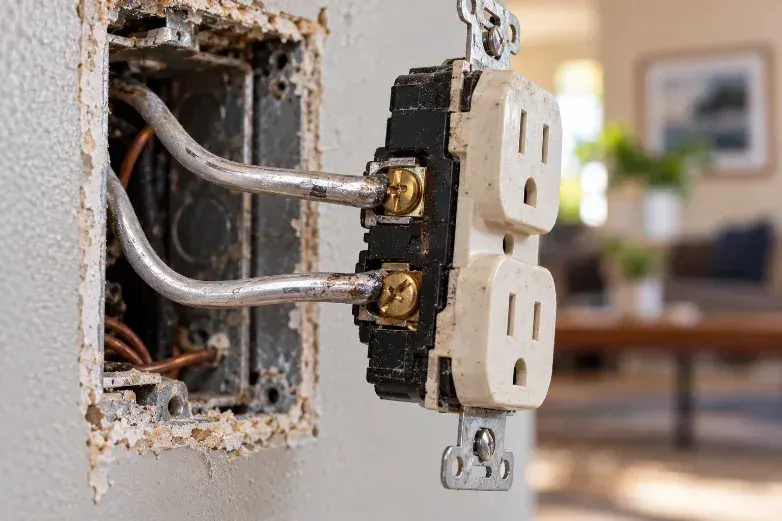
Solid branch circuits
Fix it the connections are the risk
Solid aluminum on outlets and switches. This is the kind insurers ask about, and the kind that overheats at loose connections.
Stranded feeders
Normal still used today
Large stranded aluminum feeding the panel, AC or range is standard practice. It just needs the right lugs and torque.
Aluminum spliced to copper
Check it fails first
A past owner joined new copper to old aluminum with ordinary wire nuts. That's usually the first connection to fail.
Connectors we trust
Only methods recognized for aluminum, installed with the manufacturer's tools and torque specs.
5 things set your price.
Every outlet, switch and fixture is a connection — often 80 to 150 in a house.
Scorched or loose devices get replaced, not just pigtailed.
High-ceiling fixtures and attic junctions take longer.
Aluminum at the breakers needs anti-oxidant and correct torque.
Every connection documented for your insurer — included.
Real numbers.
Not "call for pricing."
Nobody else in this market publishes ranges, which is exactly why we do. You will get an exact number at the estimate — this is so you know whether to bother calling.
We price match any written quote from another licensed, insured contractor. Military, first responders and teachers get a discount — just say so on the phone, no coupon to find.
Three ways to deal with aluminum wiring. Pros and cons of each.
All three are legitimate. Your insurer and budget decide which one fits.
CO/ALR devices
AlumiConn pigtails
Rewire with copper
Before your aluminum wiring estimate.
These answers decide which fix makes sense.
Exactly what the carrier is asking for.
Roughly 1965–1975 is the aluminum window.
Tell us which rooms.
Were outlets ever swapped by a handyman?
Renewal or closing date.
How it goes
Most people's worry is not the price, it is not knowing what is about to happen in their house. So here it is.
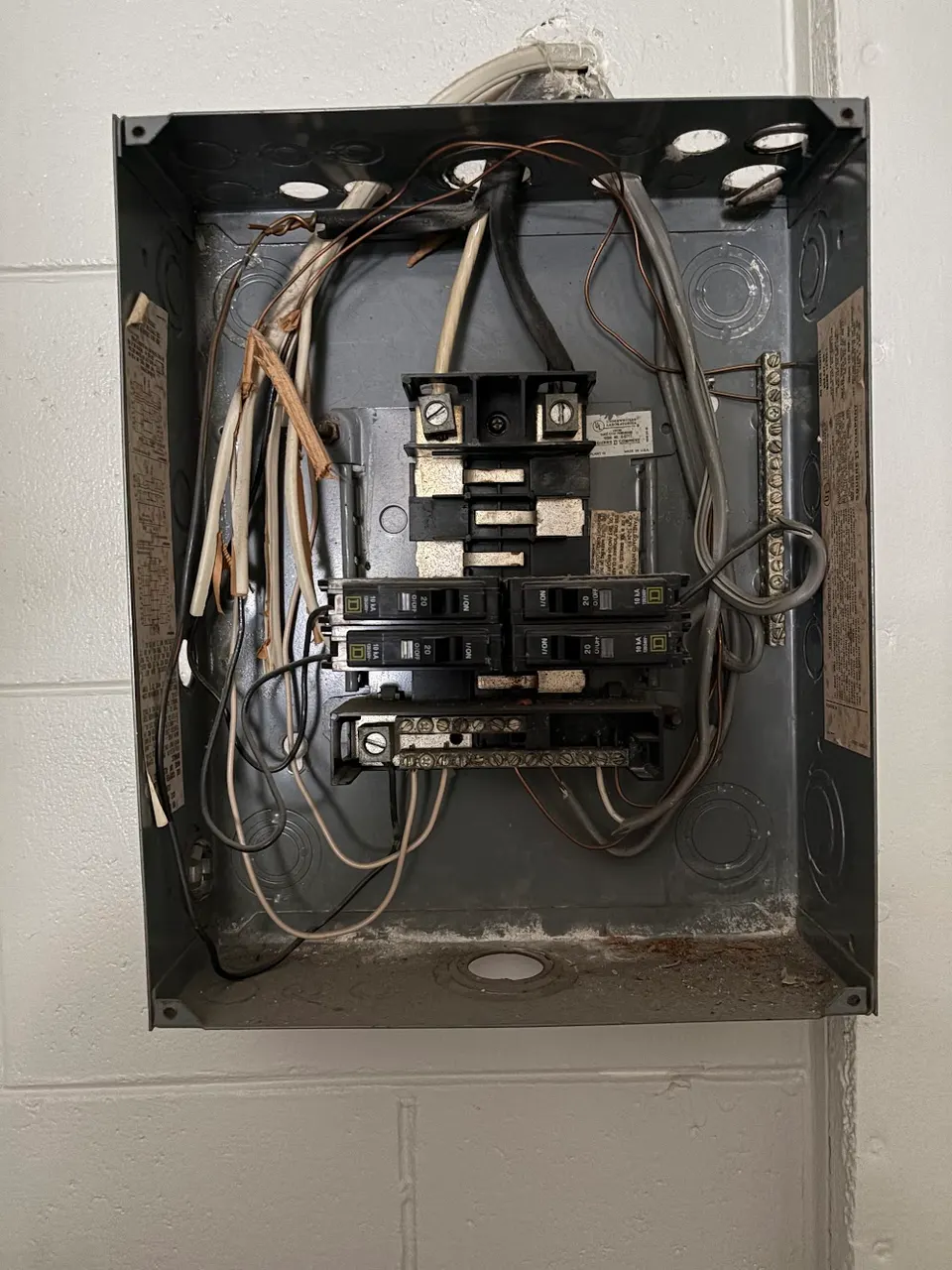
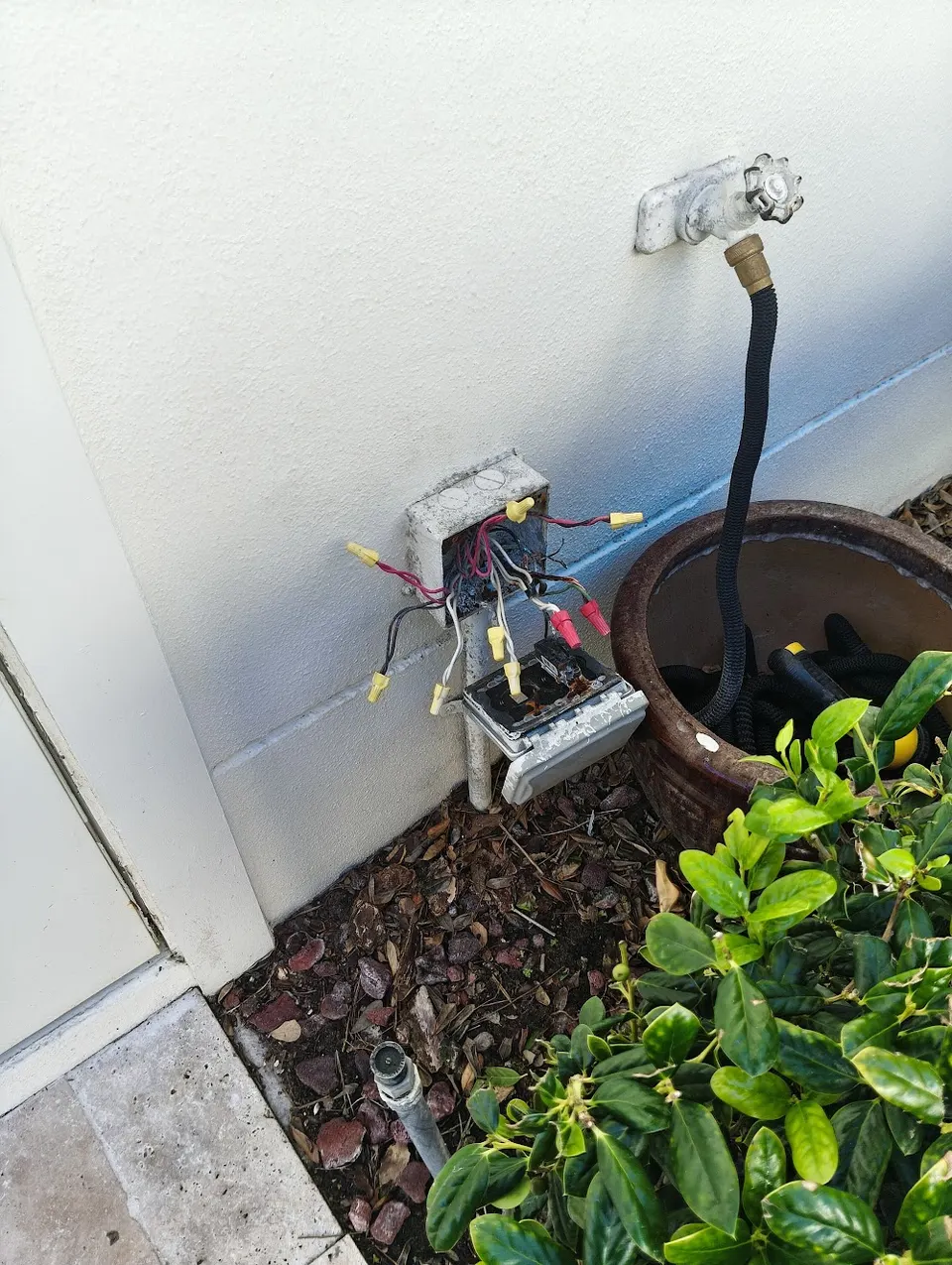
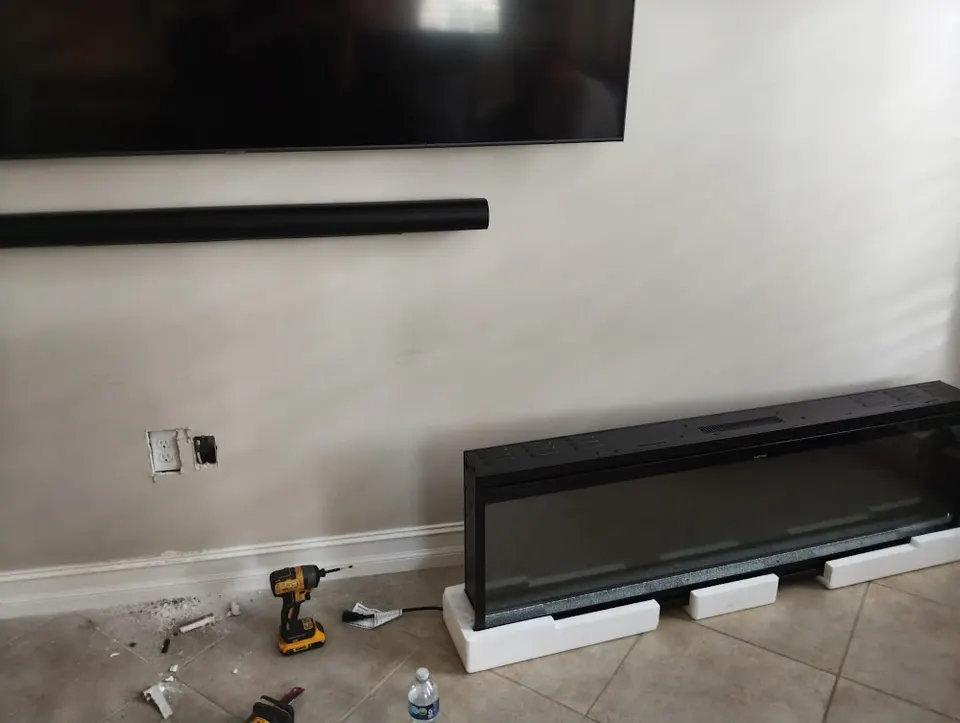
Recent jobs, Aluminum wiring
Real reviews, word for word.

"Grant wired our new kitchen project. We have used him two other times and plan on using him with our next project."

"…In Phaze sent 3 people for the job, which they completed in 1 day, even vacuuming up afterwards."
"After getting the run around from other electricians I came across In Phase. Wish I found them first."
"Unlike some of their competitors, they don't try to up-sell products that aren't strictly necessary."
Condos and apartment buildings
Whole-building aluminum remediation for 1970s condos and complexes, scheduled unit by unit with the HOA or property manager.
We handle it. You handle nothing.
Remediation is inspected work in most Central Florida jurisdictions, and branch-circuit replacement always is. The permit and inspection are also what makes the work documentable for an insurance carrier — an unpermitted fix is hard to prove.
It surfaces at resale, in an insurance claim, and in an inspection you did not schedule.
If a bid is dramatically under ours, ask whether the permit is included. Usually that is the difference.
Filed, scheduled, and met. Customers thank our office by name in reviews for exactly this.
Straight answers.
Is aluminum wiring actually dangerous?
The wire itself is not the problem. Aluminum expands and contracts more than copper, so terminations loosen over decades and loose terminations overheat. Fix the connections properly and the risk drops dramatically.
Do I have to rewire the whole house?
Usually no. Remediation at every device is the standard fix and costs a fraction of a rewire. We lead with that answer because it is the honest one.
Will this satisfy my insurance company?
Most Florida carriers accept documented remediation with listed connectors. We give you photos and a written summary. Confirm the specific requirement with your agent first — they vary.
How do I know if I have it?
Pull a receptacle cover and look, or have us do it during a free estimate. The wire is silver rather than copper-colored and often stamped AL.
How long does remediation take?
One to two days for most homes, depending on device count. You keep power in most of the house most of the time.
Can you do it during a real estate closing?
Regularly. Tell us the deadline up front and we will tell you honestly whether we can hit it.
What is an AlumiConn connector?
A small lug-style connector that joins the aluminum wire to a short copper pigtail, so the device connects to copper. It's one of the repair methods the Consumer Product Safety Commission recognizes.
Are CO/ALR outlets enough?
They're safer than standard devices, but they only fix outlets and switches. Fixtures and splices are left as they are. Most insurers prefer every connection pigtailed.
Can I just swap the outlets myself?
Please don't. Standard outlets on aluminum wire are exactly what overheats. Aluminum needs rated connectors and the right torque.
Aluminum wiring across Central Florida
Get a straight answer before you get a bill.
Free estimate. If you do not need the work, we will tell you — that is the whole reason people come back to us.